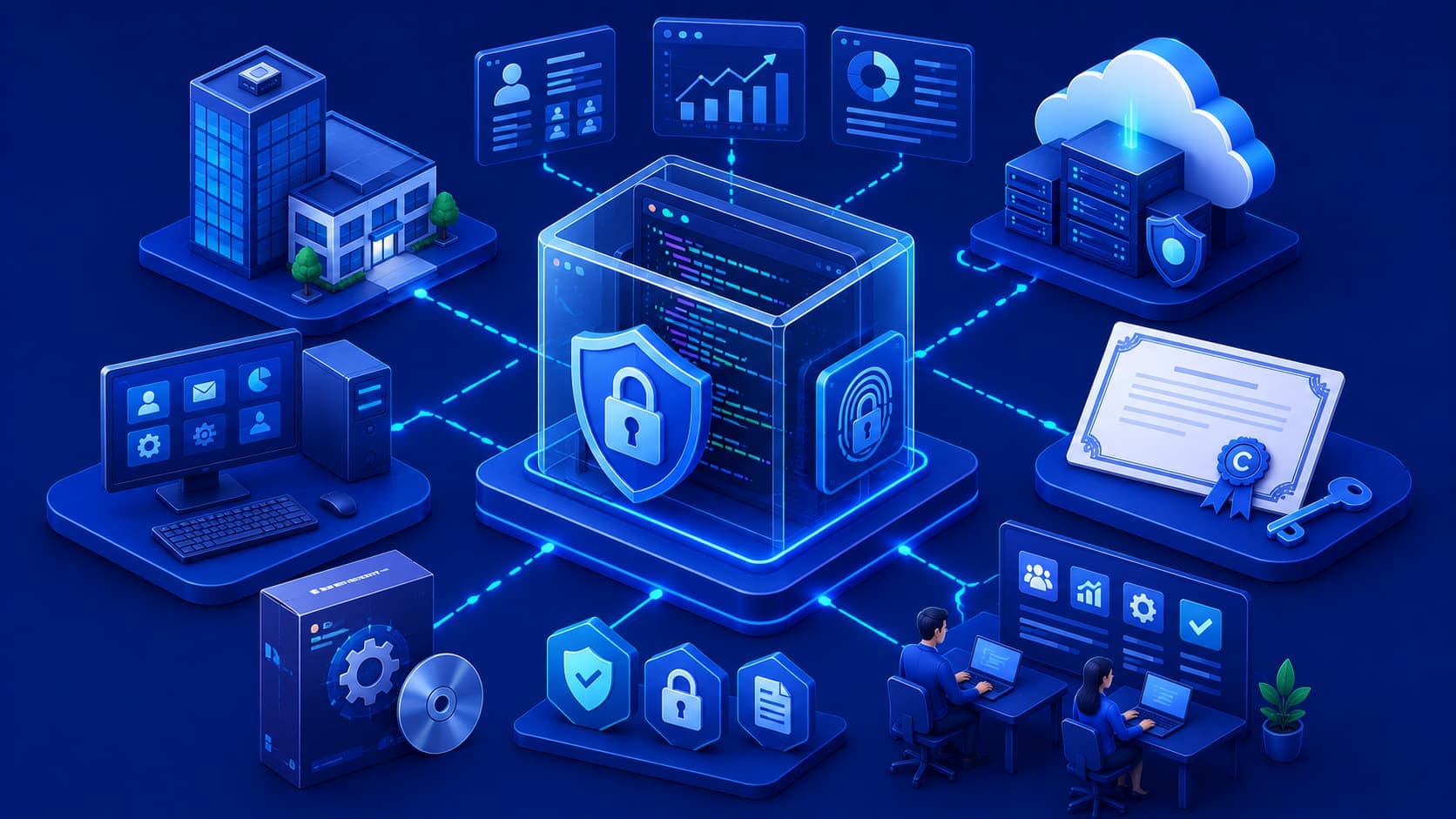
Not all software is developed in the same way. In the previous article, we explored how open source software makes its source code available for others to study, modify, and contribute to. Many software products, however, follow a different approach. Instead of publishing their source code, they keep it private and control how the software is distributed, modified, and used. This model is known as proprietary software.
Proprietary software has been a cornerstone of the software industry for decades. Many of the applications people use every day—whether for productivity, business, design, communication, or entertainment—are distributed under proprietary licenses. Understanding how proprietary software works helps users make informed technology decisions while recognizing that proprietary and open source software are simply different approaches to software development, each designed to achieve different goals.
What Is Proprietary Software?
Proprietary software is software whose source code is owned and controlled by an individual, company, or organization. Users are generally allowed to install and use the software under the terms of a license agreement, but they cannot access, modify, or redistribute the source code without permission from the owner.
Unlike open source software, where development is open to community participation, proprietary software remains under the control of its creator. The software owner determines:
- Which features are added.
- When updates are released.
- How the software is licensed.
- How it is distributed.
- Who can legally modify or share it.
This centralized control allows the owner to maintain a consistent product vision while protecting intellectual property and commercial interests.
Editorial Insight
Keeping the source code private does not necessarily make software better or worse. Instead, it reflects a different development strategy. Many organizations choose proprietary software because it provides structured product management, predictable release schedules, and centralized technical support.
Why Is Proprietary Software Important?
Proprietary software plays an important role across nearly every industry. Businesses depend on proprietary applications for accounting, customer relationship management (CRM), engineering, healthcare, finance, media production, and countless other specialized tasks.
Organizations often choose proprietary software because it provides:
- Dedicated technical support.
- Structured release schedules.
- Professional documentation.
- Long-term product planning.
- Vendor-backed maintenance.
For many businesses, these services create a predictable and consistent experience that simplifies software deployment and long-term management.
Practical Example
Consider a large company using enterprise accounting software.
Rather than modifying the application themselves, the company typically:
- Purchases software licenses.
- Receives official software updates.
- Contacts the vendor for technical support.
- Follows the vendor's upgrade schedule.
- Uses official documentation and training materials.
This arrangement allows the business to focus on its operations while the software vendor manages product development and maintenance.
How Proprietary Software Is Developed
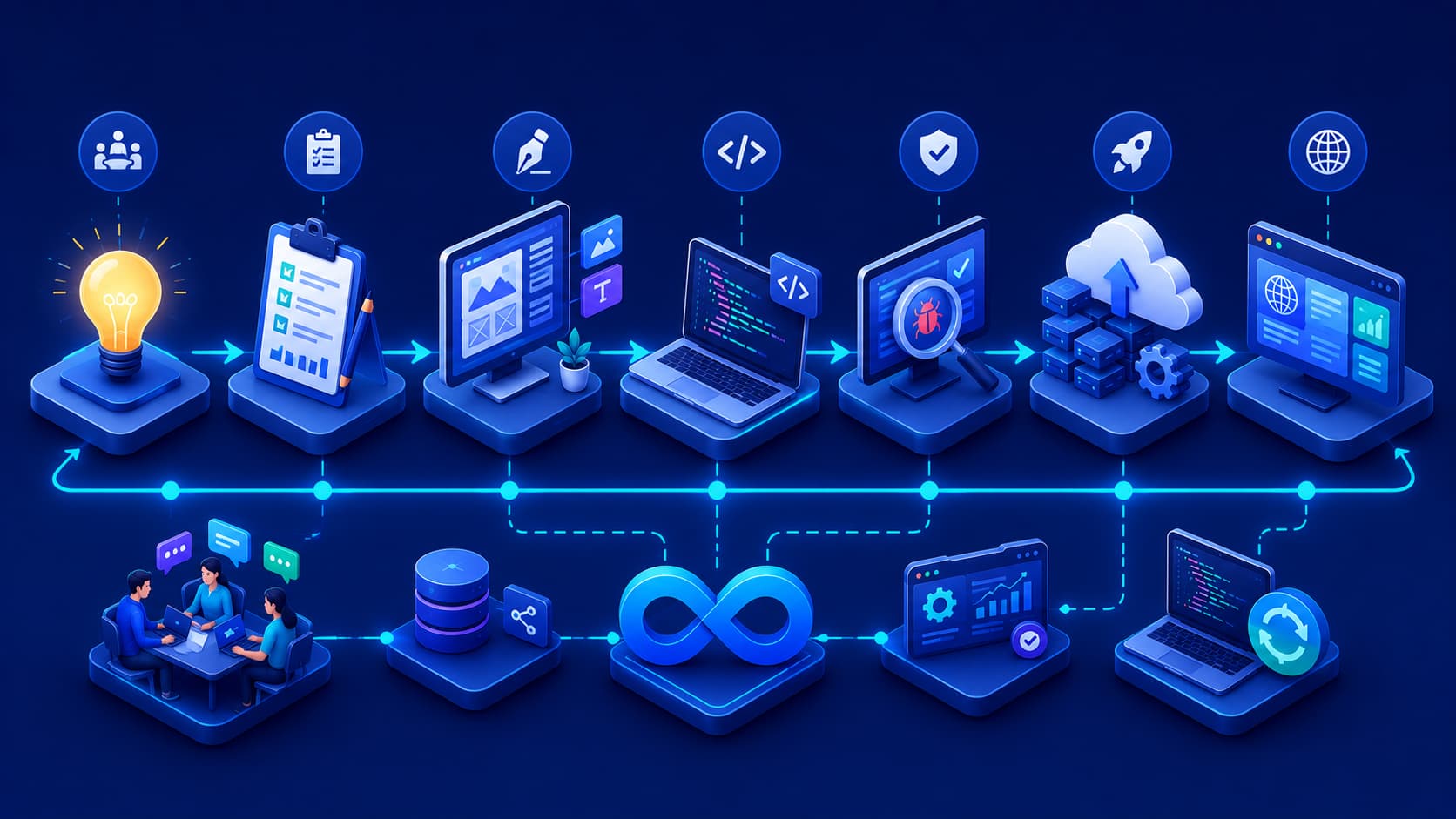
Unlike open source projects that often accept contributions from a broad community, proprietary software is generally developed by teams employed or authorized by the software owner. Development priorities, new features, bug fixes, and overall product direction are managed internally.
Before updates are released, they typically pass through multiple stages, including:
- Planning.
- Software development.
- Testing.
- Quality assurance.
- Internal approval.
Although customers may submit feedback, request new features, or report issues, the final decisions remain with the organization responsible for the software. This centralized process helps maintain consistency and quality across different versions.
Software Licensing
One of the defining characteristics of proprietary software is its licensing model. Instead of providing unrestricted access to the source code, software owners specify exactly how their products may be installed, used, copied, or shared.
Different proprietary products use different licensing approaches, including:
- One-time purchases.
- Subscription plans.
- Enterprise licensing agreements.
Regardless of the pricing structure, the software license defines the legal rights and responsibilities of both the developer and the user. Understanding these license terms is essential before deploying proprietary software in personal or business environments.
Advantages of Proprietary Software
Proprietary software remains widely used across both consumer and enterprise environments because it offers several advantages for organizations and individual users. While every product differs, many proprietary solutions emphasize stability, long-term planning, and professional support.
Dedicated Support
One of the biggest advantages of proprietary software is access to professional customer support. Many vendors provide comprehensive assistance through technical support teams, documentation, training materials, and service agreements.
For businesses that rely on software for critical daily operations, dedicated support can significantly reduce downtime and simplify troubleshooting.
Support services often include:
- Technical assistance.
- Knowledge bases.
- User documentation.
- Training programs.
- Professional consulting.
Editorial Insight
For large organizations, reliable vendor support can be just as valuable as the software itself. Having experts available to resolve issues quickly helps minimize business disruptions and improves operational continuity.
Consistent Development
Because proprietary software is managed by a single organization, development usually follows a structured roadmap. New features, bug fixes, security improvements, and performance enhancements are planned, tested, and released according to the vendor's schedule.
This centralized development process helps ensure:
- Consistent quality.
- Predictable updates.
- Better compatibility.
- Thorough testing before release.
Users generally receive updates that have undergone extensive internal testing before reaching production environments.
Integrated Ecosystems
Many proprietary software products are designed to work seamlessly with other applications and services from the same vendor. This integration can simplify deployment, improve the overall user experience, and reduce compatibility issues for organizations using multiple products within a unified ecosystem.
Examples of ecosystem integration may include:
- Cloud storage synchronization.
- Shared user accounts.
- Unified security policies.
- Cross-device synchronization.
- Integrated productivity tools.
When software products are designed to work together, organizations often spend less time configuring compatibility between different systems.
Professional Documentation and Training
Commercial software frequently includes extensive documentation, certification programs, tutorials, and structured training resources that help users learn the software more efficiently. These resources are particularly valuable for businesses adopting complex enterprise applications.
Well-maintained documentation can also reduce onboarding time for new employees and improve long-term productivity.
Limitations of Proprietary Software
Like every software model, proprietary software also has limitations. Understanding these trade-offs helps individuals and organizations select software that best fits their technical and business requirements.
Limited Access to Source Code
Users generally cannot examine or modify the software's source code. If a feature is missing or additional customization is required, users usually depend on the software vendor to implement those changes in future releases.
This limitation may reduce flexibility for organizations with highly specialized technical requirements.
Vendor Dependence
Organizations may become dependent on a particular software vendor for updates, licensing, technical support, and long-term product availability. Careful planning can help reduce risks associated with this dependency, particularly when software becomes deeply integrated into business operations.
Before adopting proprietary software, organizations often evaluate factors such as:
- Vendor reputation.
- Product roadmap.
- Support quality.
- Long-term availability.
- Migration options.
Licensing Costs
Some proprietary software requires purchasing licenses, subscriptions, or enterprise agreements. Total ownership costs vary depending on the software, licensing model, support level, and deployment scale. Organizations typically evaluate these costs alongside the value the software provides.
Best Practice
When evaluating proprietary software, consider more than just the purchase price. Review the complete cost of ownership, including:
- Licensing fees.
- Subscription renewals.
- Technical support.
- Employee training.
- Future upgrades.
- Integration costs.
Looking beyond the initial purchase helps organizations make more informed long-term investment decisions.
Proprietary Software and Open Source Can Work Together
A common misconception is that organizations must choose either proprietary software or open source software exclusively. In reality, many businesses successfully use both.
For example, an organization might use:
- Proprietary business applications.
- Open source operating systems.
- Open source databases.
- Open source development tools.
- Open source web servers.
Modern IT environments frequently combine different software models based on technical requirements, budget, security considerations, and business objectives. Understanding both approaches allows organizations to choose the most appropriate solution for each situation.
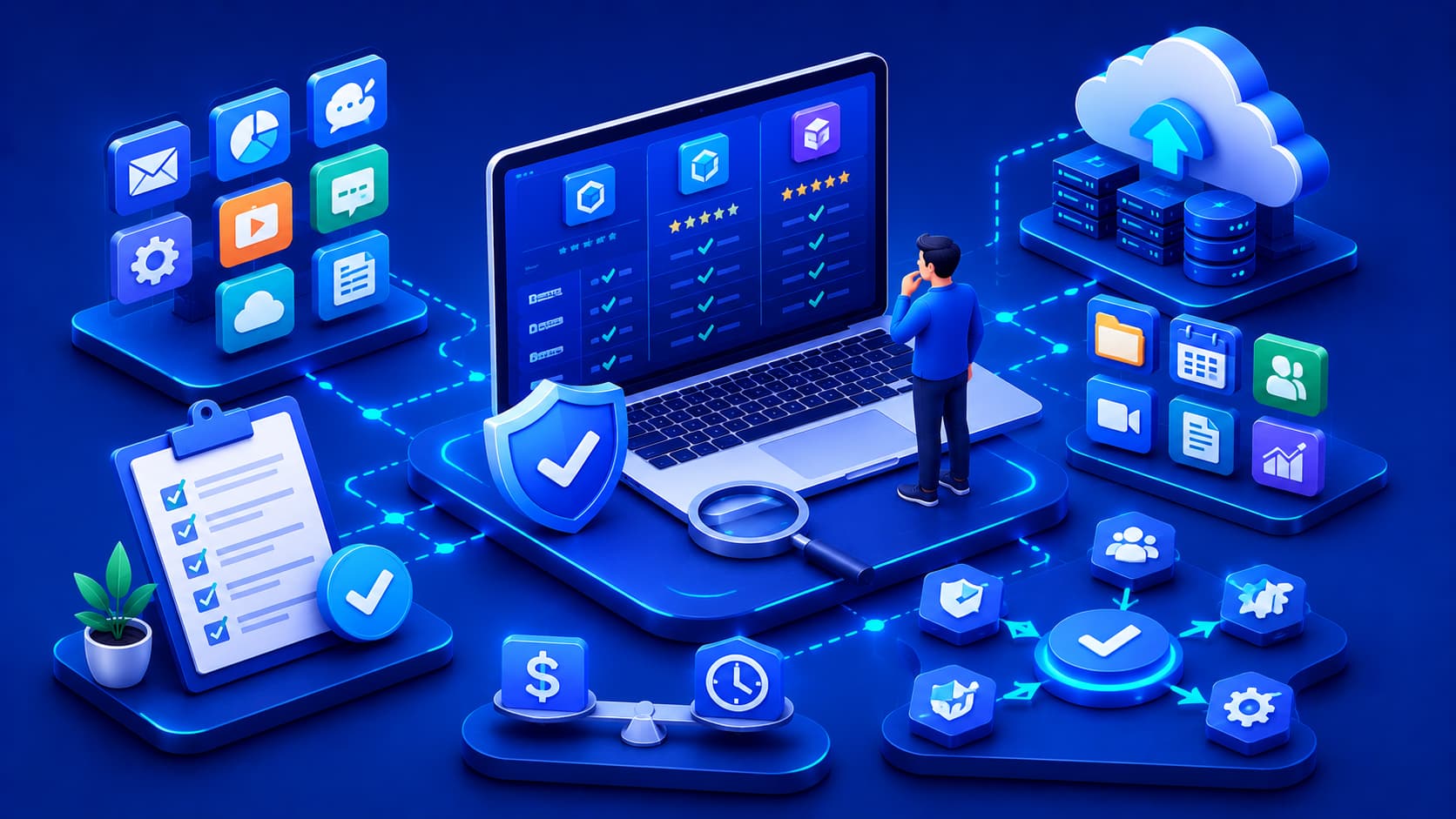
Choosing the Right Software
Selecting software involves much more than deciding whether it is proprietary or open source. Organizations typically evaluate multiple factors before making a decision, including:
- Features and functionality.
- Reliability.
- Security.
- Long-term support.
- Integration with existing systems.
- Licensing terms.
- Total cost of ownership.
- Vendor reputation.
The best choice depends on the specific needs of the user or organization rather than the licensing model alone. Different projects often require different solutions, and many successful technology environments combine multiple software approaches to achieve the best results.
Common Misconceptions About Proprietary Software
Proprietary software is widely used across personal, educational, and business environments, yet several misconceptions often lead to confusion about how it works. Understanding these misunderstandings helps users make better software decisions.
Proprietary Software Isn't Always Paid Software
Many people assume that proprietary software always requires payment. While many commercial applications are sold through one-time purchases or subscriptions, some proprietary software is available free of charge while still restricting access to its source code. In other words, pricing and licensing are separate concepts.
For example, a software application may be:
- Free to download.
- Free for personal use.
- Supported through advertising.
- Bundled with hardware.
Even if users pay nothing, the software can still be proprietary because the source code remains closed and controlled by its owner.
Closed Source Doesn't Automatically Mean Less Secure
Some people believe software is only secure if its source code is publicly available. In reality, software security depends on secure development practices, regular updates, thorough testing, and responsible vulnerability management—not simply on whether the source code is open or closed.
A well-maintained proprietary application with frequent security updates can be just as secure as a well-maintained open source project.
Editorial Insight
Security is determined by how software is designed, maintained, tested, and updated throughout its lifecycle. Both proprietary and open source software can become vulnerable if they are poorly maintained or no longer receive security updates.
Proprietary Software Isn't the Opposite of Innovation
Another common misconception is that proprietary software limits innovation. In reality, many significant technological advances have been developed within proprietary software projects. Innovation occurs in both proprietary and open source environments.
The development model influences:
- Collaboration.
- Licensing.
- Distribution.
However, it does not determine the overall quality, creativity, or usefulness of the software itself.
Frequently Asked Questions
What Is Proprietary Software in Simple Terms?
Proprietary software is software whose source code is owned and controlled by its creator, with usage governed by a license agreement.
Can Users Modify Proprietary Software?
In most cases, no.
Users may use the software according to its license, but they generally cannot access or modify its source code without permission from the software owner.
Is Proprietary Software Always Expensive?
Not necessarily.
Some proprietary applications are free to use, while others require one-time purchases, recurring subscriptions, or enterprise licensing agreements.
Is Proprietary Software Better Than Open Source Software?
Neither licensing model is universally better.
Each has its own strengths and trade-offs, and the right choice depends on the project's technical requirements, operational needs, budget, and business goals.
Why Do Businesses Choose Proprietary Software?
Organizations often value proprietary software because it offers:
- Dedicated support.
- Structured development.
- Integrated ecosystems.
- Predictable product lifecycles.
These qualities can simplify software management and provide long-term stability for business-critical applications.
Conclusion
Proprietary software remains a fundamental part of the modern technology landscape. By keeping source code under the control of its owner, proprietary software enables organizations to manage development, licensing, support, and product direction in a structured and consistent manner.
At the same time, proprietary and open source software are not mutually exclusive. Many individuals and organizations successfully combine both models to create reliable, secure, and efficient technology environments. Understanding how proprietary software works allows users to make informed decisions when selecting software for personal, educational, or business use.
Final Takeaway
Proprietary software is defined by ownership and licensing, not by price. While users typically cannot modify the source code, they often benefit from centralized development, professional support, predictable updates, and integrated software ecosystems.
Rather than viewing proprietary and open source software as competing philosophies, it's more useful to recognize them as complementary approaches. Modern organizations frequently combine both models, selecting each one based on technical requirements, security considerations, long-term maintenance, and overall business objectives.