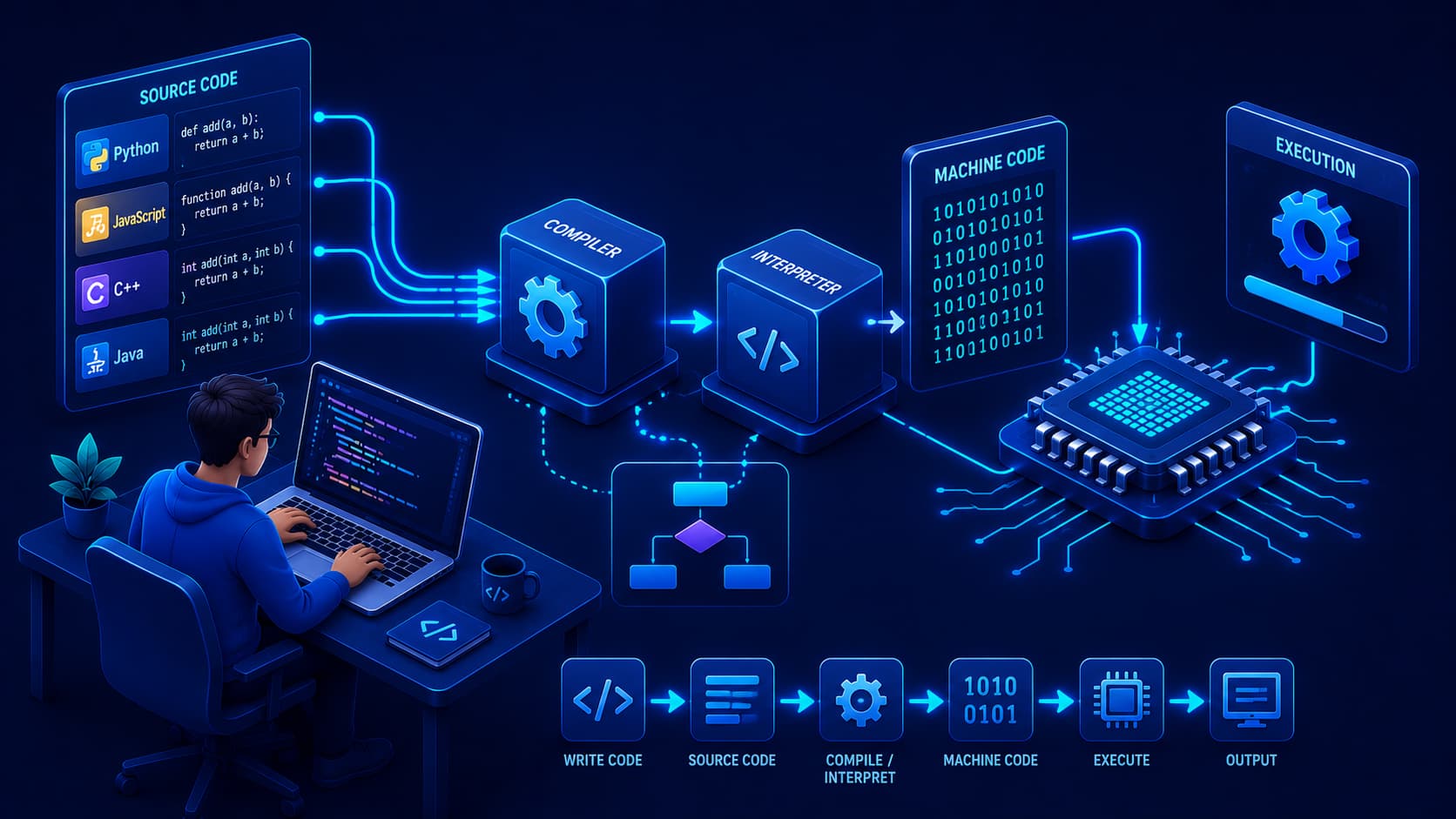
When you write a program, you're not communicating directly with the computer. Instead, you're writing instructions in a programming language designed for humans. Keywords such as if, for, while, and function are easy for developers to read, but computers don't naturally understand them. Computers ultimately operate using machine code—simple binary instructions that processors can execute.
This naturally raises an important question: if computers only understand machine code, how can they run programs written in languages like Python, JavaScript, Java, or C++?
The answer lies in translation. Programming languages act as a bridge between human thinking and machine execution. Special software converts human-readable code into instructions that a computer's processor can understand and execute. Understanding this translation process helps explain why programming languages exist, why they differ from one another, and why programs written in different languages can behave differently.
Why Programming Languages Exist
In the early days of computing, programmers worked much closer to machine-level instructions. Although this approach provided precise control over hardware, it also made software development slow, difficult, and highly prone to mistakes.
Programming languages were created to solve these challenges. Instead of writing long sequences of binary numbers, developers could express ideas using words, symbols, and structures that are much easier for humans to understand. This made software development:
- Faster.
- More reliable.
- Easier to maintain.
- Accessible to a much larger number of people.
Today, thousands of programming languages exist, each designed with different priorities. Some emphasize performance, others focus on simplicity and readability, while many are optimized for particular types of applications such as web development, scientific computing, or embedded systems.
Editorial Insight
The existence of many programming languages isn't a sign that technology is fragmented or inefficient. Instead, it reflects the diverse range of problems software developers solve. Just as different tools are designed for different construction jobs, programming languages are created to excel in different computing environments.
Source Code
The instructions written by a programmer are called source code. Source code is a human-readable description of what a program should do. Rather than writing binary instructions directly, developers describe the desired behavior using a programming language.
For example, source code can instruct a computer to:
- Perform calculations.
- Display information on a screen.
- Save files.
- Respond when a user clicks a button.
However, source code alone cannot be executed by a computer's processor. Before the hardware can perform these tasks, the code must first be translated into a format the processor understands.
Machine Code
At the lowest level, every computer executes machine code. Machine code consists of simple instructions that tell the processor exactly what operations to perform. Unlike programming languages designed for humans, machine code isn't intended to be written or read manually.
An important characteristic of machine code is that it depends on the processor architecture. Different processors use different machine instructions, which is one reason software sometimes needs to be compiled differently for various operating systems or hardware platforms.
Fortunately, modern programming languages and development tools hide much of this complexity, allowing developers to concentrate on solving problems rather than managing hardware-specific instructions.
Practical Example
Imagine writing a simple program that displays the message "Hello, World!". In a programming language, this might require only a single readable statement. If you had to write the equivalent directly in machine code, the instructions would consist of complex binary values that are nearly impossible for humans to understand or maintain. Programming languages dramatically simplify this process.
The Role of Translation
Programming languages are successful because they separate human-readable logic from machine-level execution. Developers can focus on solving problems and writing code that is clear and maintainable, while specialized translation tools handle the complex task of converting that code into executable machine instructions.
This separation offers several important advantages:
- Developers can concentrate on solving business or technical problems instead of hardware details.
- Software becomes easier to maintain and update.
- Programs can grow in complexity without requiring developers to understand every aspect of the underlying processor.
- Programming languages become more portable across different platforms.
Without this translation layer, modern software development would be dramatically slower and far more difficult.
Editorial Insight
One of the greatest strengths of modern programming is abstraction. Developers don't need to think in binary or manually control hardware for every operation. Instead, programming languages provide higher-level tools that make software development more productive while still allowing computers to execute instructions efficiently.
How Is Source Code Translated?
Writing source code is only the beginning of the software development process. Before a computer can execute a program, that source code must be translated into instructions the processor understands.
Different programming languages use different translation methods, but they all pursue the same objective:
- Convert human-readable source code.
- Produce executable instructions.
- Allow the computer to perform the requested tasks.
Some programming languages translate an entire program before it runs, while others translate code during execution. Although the translation methods differ, the underlying purpose remains exactly the same—bridging the gap between developers and computer hardware.
Best Practice
As a beginner, you don't need to fully understand every translation technique immediately. Focus first on learning programming fundamentals. Once you're comfortable writing programs, concepts such as compilation and interpretation become much easier to understand in context.
Why Are There So Many Programming Languages?
If every programming language ultimately tells a computer what to do, it's reasonable to wonder why thousands of different languages exist. The answer is simple: different problems require different tools.
Programming languages are designed with different priorities. For example:
- Some emphasize speed and performance.
- Others prioritize readability and developer productivity.
- Some are especially suited for web development.
- Others excel in scientific computing, embedded systems, mobile applications, or artificial intelligence.
No single programming language is perfect for every situation. Instead, each language reflects a collection of design decisions intended to solve particular categories of problems.
Because of this, professional software developers often learn multiple programming languages throughout their careers. Although the syntax changes, many of the underlying programming concepts remain remarkably similar.
Practical Example
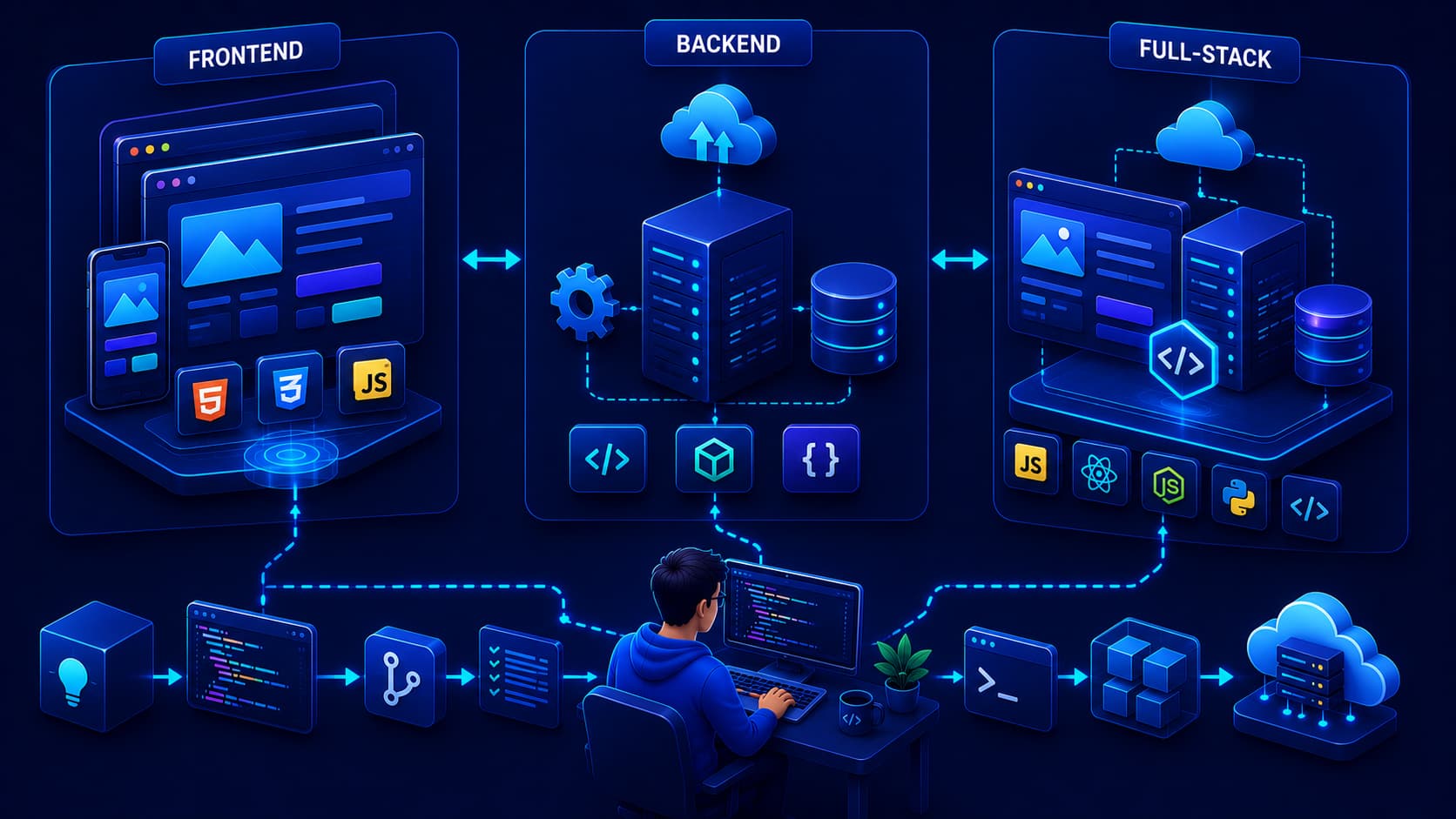
A web developer might primarily use JavaScript to build interactive websites, while a data scientist may prefer Python for analyzing data and training machine learning models. Both developers apply the same logical thinking and problem-solving skills, even though they work with different languages.
Do Programming Languages Think Like Humans?
Programming languages make software development easier, but they do not "think" or understand instructions the way humans do. Computers simply follow instructions exactly as they are written.
If a program contains unclear logic or incorrect instructions, the computer will not recognize the mistake or guess the developer's intention. Instead, it will execute the instructions precisely as provided, even if the result is unexpected.
This is why precision is one of the most important qualities in programming. Developers must describe every step clearly, leaving little room for ambiguity.
Understanding this principle also explains why logical thinking is often more valuable than memorizing language syntax. Well-structured reasoning leads to better software regardless of which programming language you use.
What Happens When a Program Contains Errors?
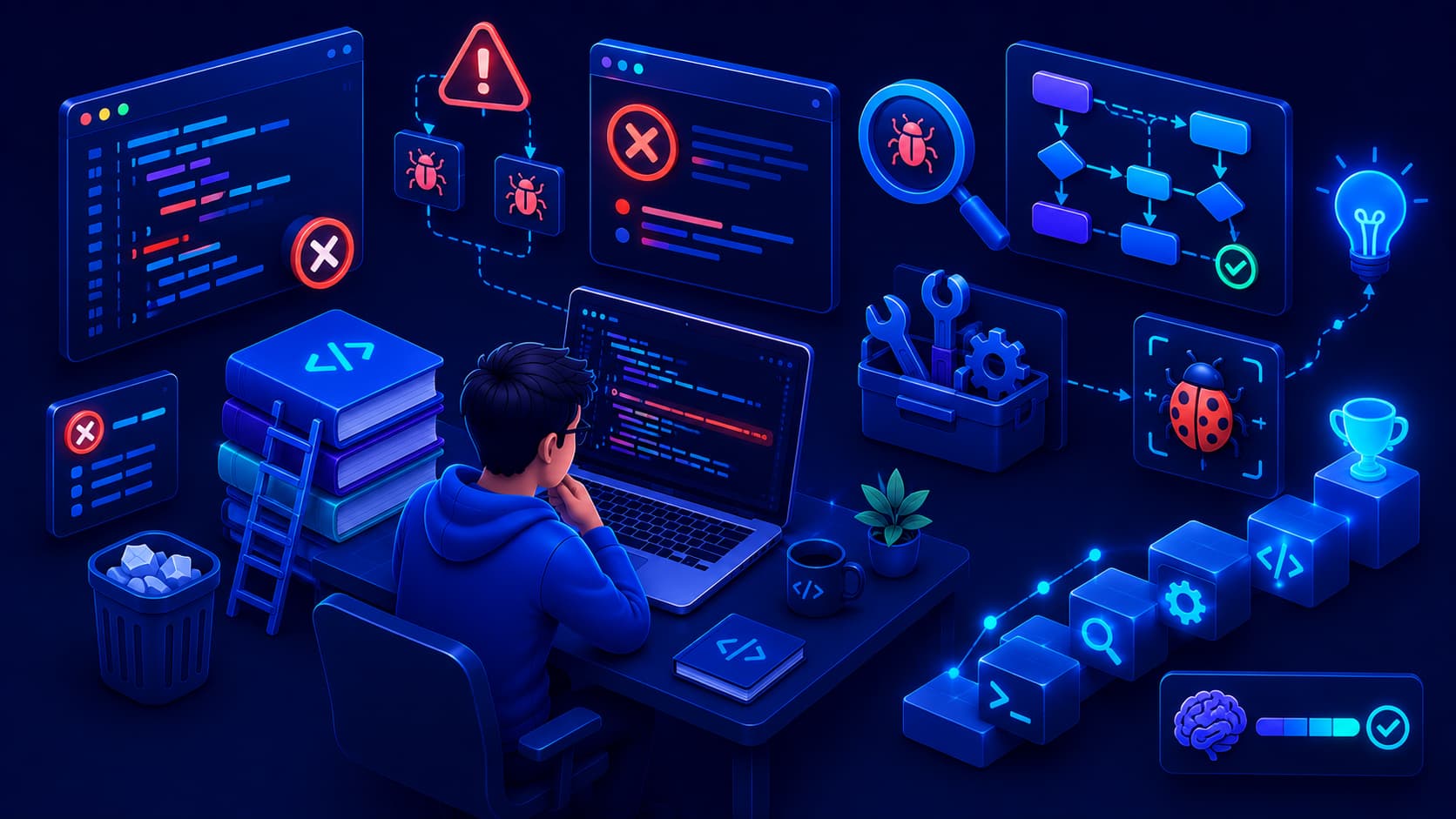
Very few programs work perfectly the first time they are written. Errors are a normal part of software development, regardless of a programmer's experience. Some mistakes prevent a program from running altogether, while others only become noticeable after the software starts executing.
The process of identifying, understanding, and correcting these problems is known as debugging. Modern development tools make debugging much more efficient by helping programmers:
- Highlight syntax mistakes.
- Display diagnostic error messages.
- Inspect how a program behaves while it is running.
- Identify the source of unexpected behavior.
Rather than being viewed as a sign of failure, debugging is an essential stage of software development. Every reliable application—from simple mobile apps to enterprise systems—has gone through repeated testing and debugging before reaching users.
Editorial Insight
Experienced developers often spend as much time debugging and improving code as they do writing it. The objective isn't to eliminate mistakes entirely, but to identify problems quickly, understand their causes, and produce more reliable software with each iteration.
Why Understanding Programming Languages Matters
Even if you haven't chosen your first programming language yet, understanding how programming languages work provides a strong foundation for learning any language in the future. Instead of seeing Python, JavaScript, Java, C++, or Go as completely unrelated technologies, you'll recognize that they all solve the same fundamental challenge: helping humans communicate instructions to computers.
Once you understand this core principle, learning a new programming language becomes significantly easier because you're building on shared concepts rather than memorizing isolated syntax rules. This conceptual approach is one of the biggest differences between beginners who struggle and developers who can adapt to new technologies throughout their careers.
Frequently Asked Questions
What Is a Programming Language?
A programming language is a structured way for humans to write instructions that computers can eventually translate and execute. It serves as the communication layer between developers and computer hardware.
Why Can't Computers Understand Source Code Directly?
Processors are designed to execute machine code rather than human-readable programming languages. Translation tools convert source code into machine instructions that the hardware can process.
Is Machine Code the Same on Every Computer?
No.
Different processor architectures use different machine instructions. As a result, some software must be built specifically for particular hardware platforms to ensure compatibility and optimal performance.
Why Are There So Many Programming Languages?
Different programming languages are optimized for different goals, including performance, simplicity, portability, and specialized application domains. No single language is ideal for every type of software project.
Do Professional Programmers Know Every Programming Language?
No.
Most software developers specialize in a small number of programming languages while relying on programming concepts that transfer across many technologies. Understanding the fundamentals makes it much easier to learn additional languages when needed.
Conclusion
Programming languages make modern software development possible by bridging the gap between human thinking and machine execution. Instead of writing complex binary instructions, developers can express ideas in a form that is easier to read, understand, and maintain. Behind the scenes, translation tools convert source code into instructions that computers can execute.
Although programming languages use different approaches and have unique strengths, they all share the same fundamental purpose: transforming human-readable logic into working software. Understanding this process provides an essential foundation for anyone beginning their programming journey.
Final Takeaway
Programming languages exist to make software development practical, efficient, and accessible. They allow developers to focus on solving problems while translation tools handle the complex task of communicating with computer hardware.
As you continue learning programming, remember these key principles:
- Programming languages are designed for humans, not computers.
- Source code must always be translated before it can run.
- Machine code is the language processors actually execute.
- Different programming languages exist because different problems require different solutions.
- Understanding programming concepts is more valuable than memorizing syntax.
By mastering these foundational ideas, you'll be well prepared for the next step in your programming education—learning how compiled and interpreted languages differ, and why those differences matter when building real-world software.