Home Artificial Intelligence Cloud & DevOps Cybersecurity Hardware Programming Software
About Contact
Illustration showing the main hardware components of a modern computer.
Hardware

What Is Computer Hardware? A Beginner's Guide

Computer hardware includes the physical components that make digital devices function. From processors and memory to storage devices and peripherals, hardware provides the foundation that allows software to run and users to interact with technology.

Illustration showing software powering computers, mobile devices, and digital services.
Software

What Is Software? A Beginner's Guide

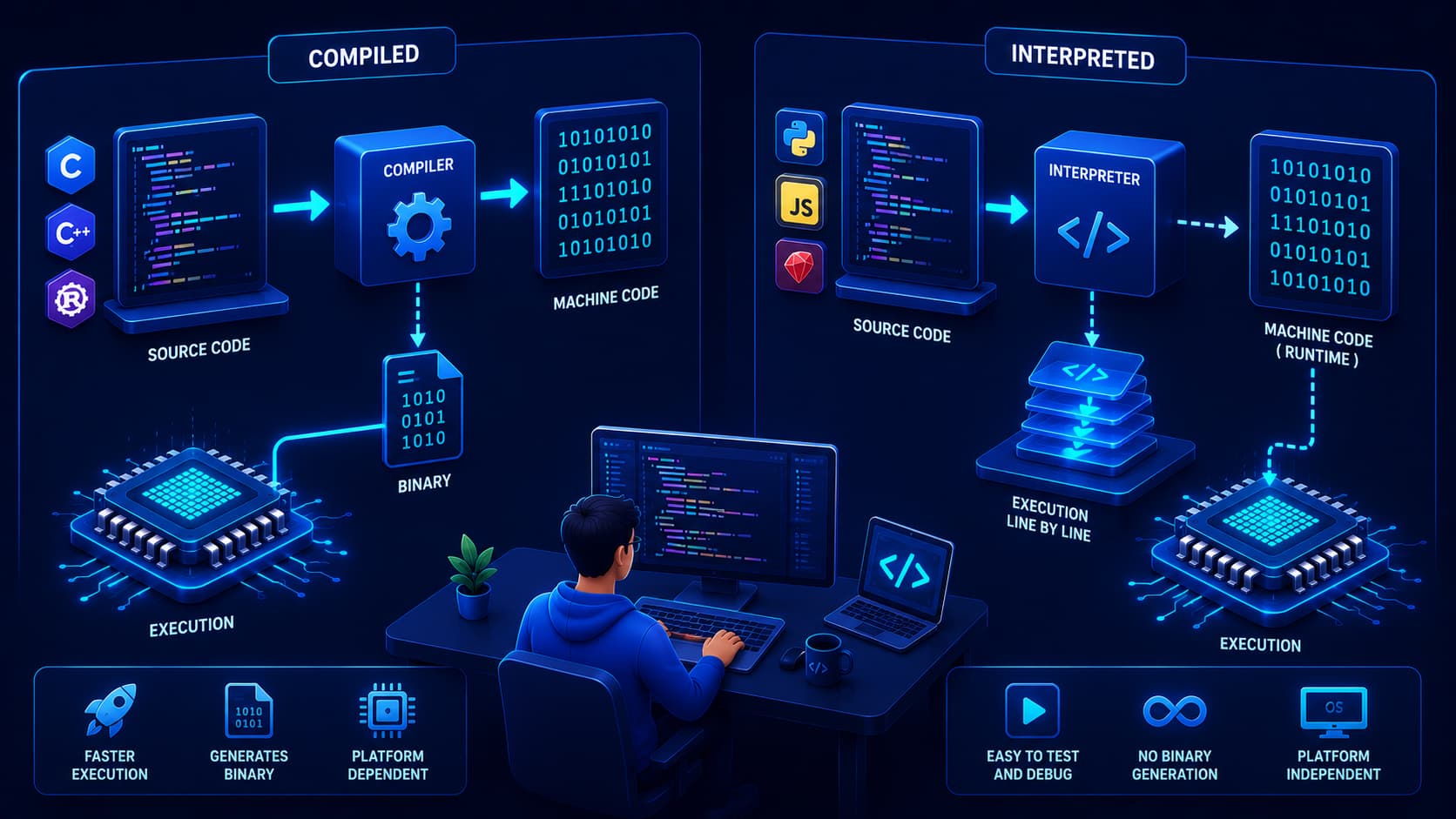
Illustration showing a programmer writing code to build modern software applications.
Programming

What Is Programming? A Beginner's Guide

Latest Articles

Illustration showing encrypted digital data protected by modern cybersecurity technologies.
Cybersecurity

How Encryption Protects Your Data: A Beginner's Guide

Encryption protects sensitive information by converting readable data into unreadable code that only authorized users can access. From online banking to messaging apps and cloud storage, encryption plays a vital role in keeping personal and business data secure.

Illustration showing strong password protection for online accounts.
Cybersecurity

Strong Passwords: Best Practices for Better Security

Passwords remain one of the most important layers of online security. Learn how to create strong passwords, avoid common mistakes, and protect your accounts from unauthorized access using simple but effective security practices.

Illustration showing multi-factor authentication protecting online accounts with multiple verification methods.
Cybersecurity

What Is Multi-Factor Authentication (MFA) and Why Is It Important?

Passwords alone are no longer enough to keep online accounts secure. Multi-Factor Authentication (MFA) adds an extra layer of protection, making it much harder for attackers to access your accounts even if your password is compromised.

Illustration showing a phishing attack attempting to steal login credentials through fake emails and websites.
Cybersecurity

What Is Phishing and How Can You Avoid It?

Phishing is one of the most common cyber threats targeting internet users today. By pretending to be trusted organizations, attackers try to steal passwords, financial information, and personal data. Understanding how phishing works is one of the most effective ways to stay safe online.

Illustration comparing malware, viruses, and ransomware in cybersecurity.
Cybersecurity

Malware vs Virus vs Ransomware: What's the Difference?

The terms malware, virus, and ransomware are often used interchangeably, but they don't mean the same thing. Understanding the differences between these cyber threats can help you recognize security risks and take the right steps to protect your devices and personal information.

Illustration showing common cybersecurity threats targeting digital devices and networks.
Cybersecurity

Common Types of Cyber Threats Explained

Cyber threats come in many forms, from phishing emails and ransomware to malware and distributed denial-of-service attacks. Understanding these threats is the first step toward protecting yourself, your devices, and your organization from cybercrime.

Trending This Week

Stay Updated With AI & Technology

Get the latest articles and industry trends.